
Why Custom Freight Logic Breaks Inside Legacy TMS Workflows

If your team relies on spreadsheets and “tribal knowledge” to keep freight moving, your architecture is flawed for growth.
Fuel Surcharges Are Rising. The Bigger Problem Is the Cost Logic Underneath

Fuel surcharges may be grabbing attention, but the real risk is deeper: disconnected pricing logic, manual workflows, and legacy transportation systems that turn routine cost changes into margin loss.
Freight Ops Are Not Breaking in One Place. They’re Breaking Across the TRIP

Freight operations rarely break in one obvious place. More often, they break across disconnected layers: transportation execution, rating logic, integrations, and the growing stack of plugins teams rely on to fill gaps. That disconnect creates margin leakage, slower service, and more manual work than most businesses can afford.
The Hidden Cost of Spreadsheet-Driven Brokerage Operations

Brokers are moving toward a “composable” architecture – fixing the specific layer that drives margin (the rate engine) while keeping the execution workflows that work.
Why “Human Middleware” is Killing Your Logistics Margin

Fragmented processes in the supply chain can lead to data error rates that significantly impact the bottom line.
Outgrowing Your In-House TMS? Start With the Rate Engine

If your in-house TMS feels harder to manage every quarter, you may not have outgrown every part of your system—you’ve likely outgrown the flexibility of the rate engine.
Plugins: Why They Matter and Why They’re the Future of Transportation Management Technology
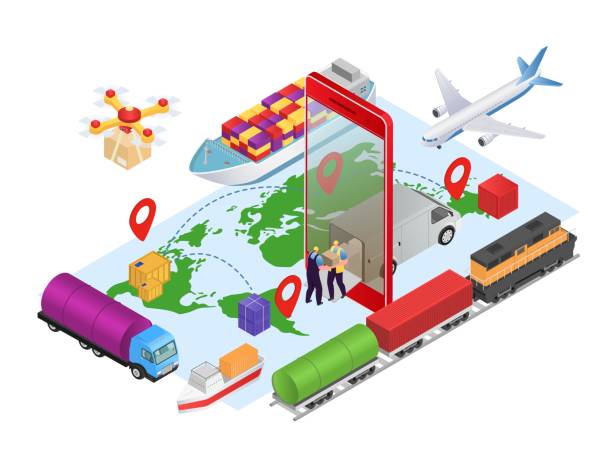
Plugins can become even more powerful when they connect into a platform that can centralize the data and make it usable.
How Freight Invoice Errors Destroy Margin and Customer Trust

Unexpected freight charges and accessorial disputes often begin with inaccurate rating logic. See how G2Mint’s freight automation platform improves rate accuracy, reduces billing disputes, and protects shipment margins
What is the real cost of invoice disputes?

Organizations that continue treating disputes as a back-office accounting problem will keep paying the operational tax that comes with them.
When Rate Accuracy Becomes Strategic Infrastructure

When rates are accurate, speed improves without sacrificing trust, Sales teams quote with confidence, Ops teams stop firefighting preventable disputes and Finance gets faster cash cycles.